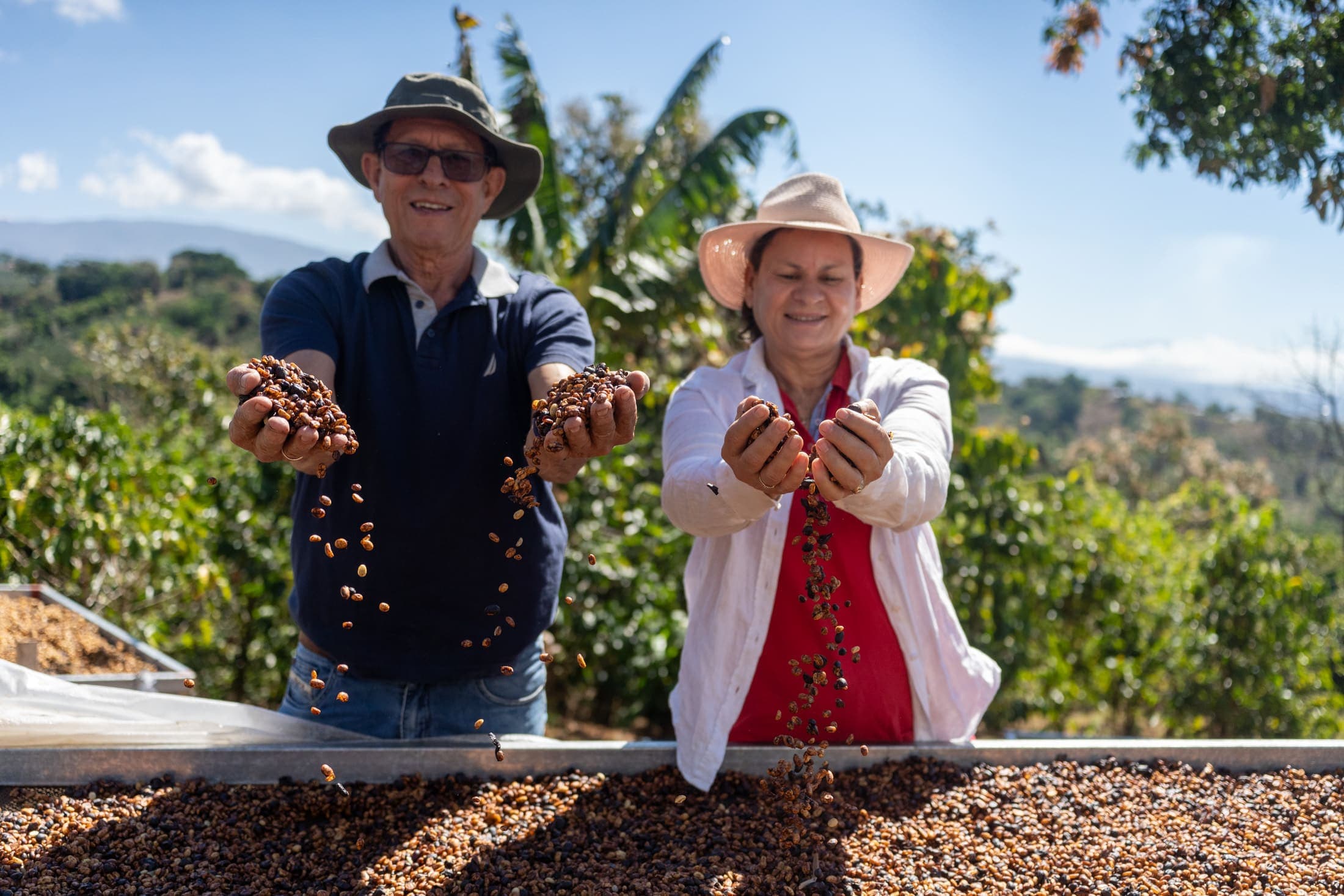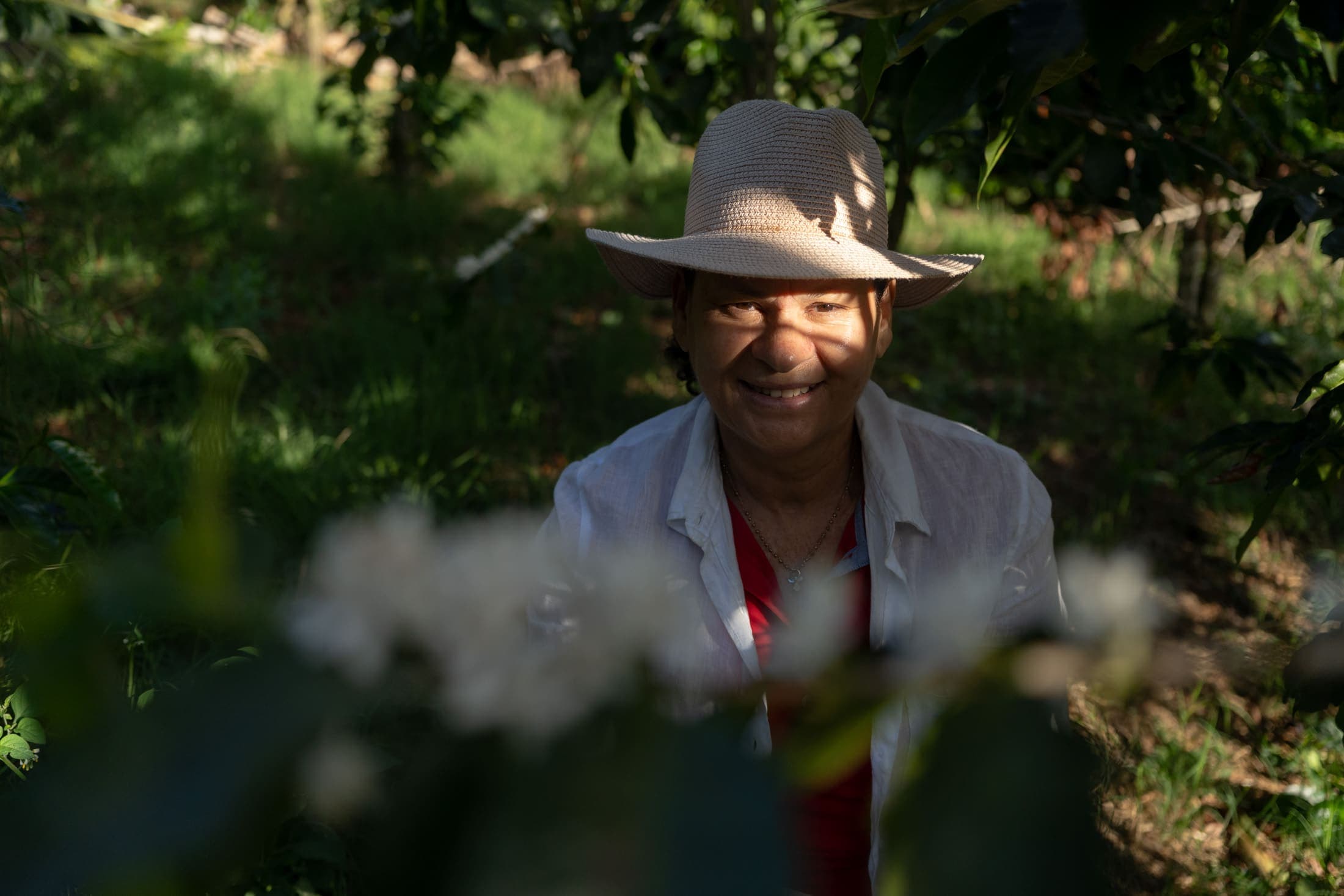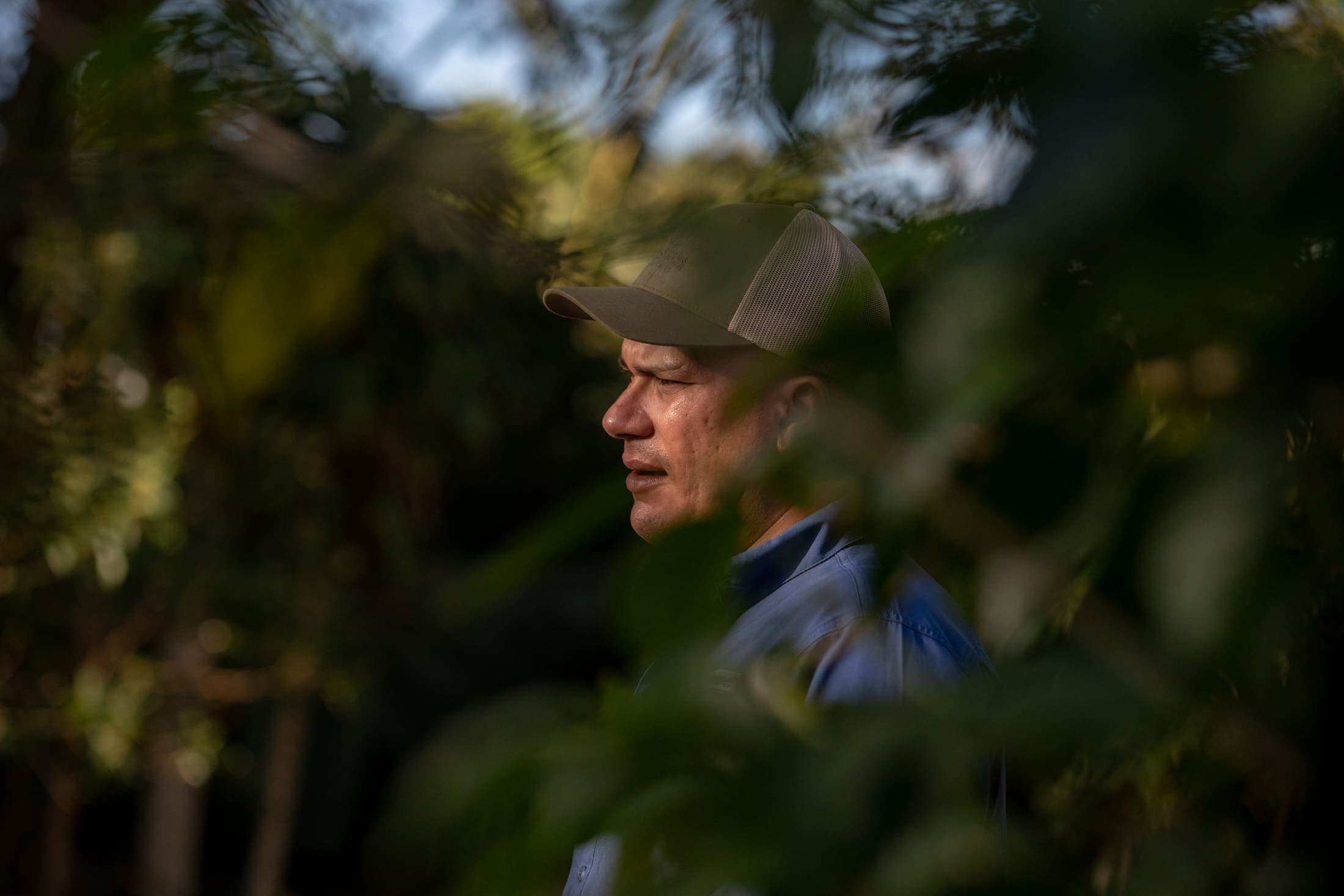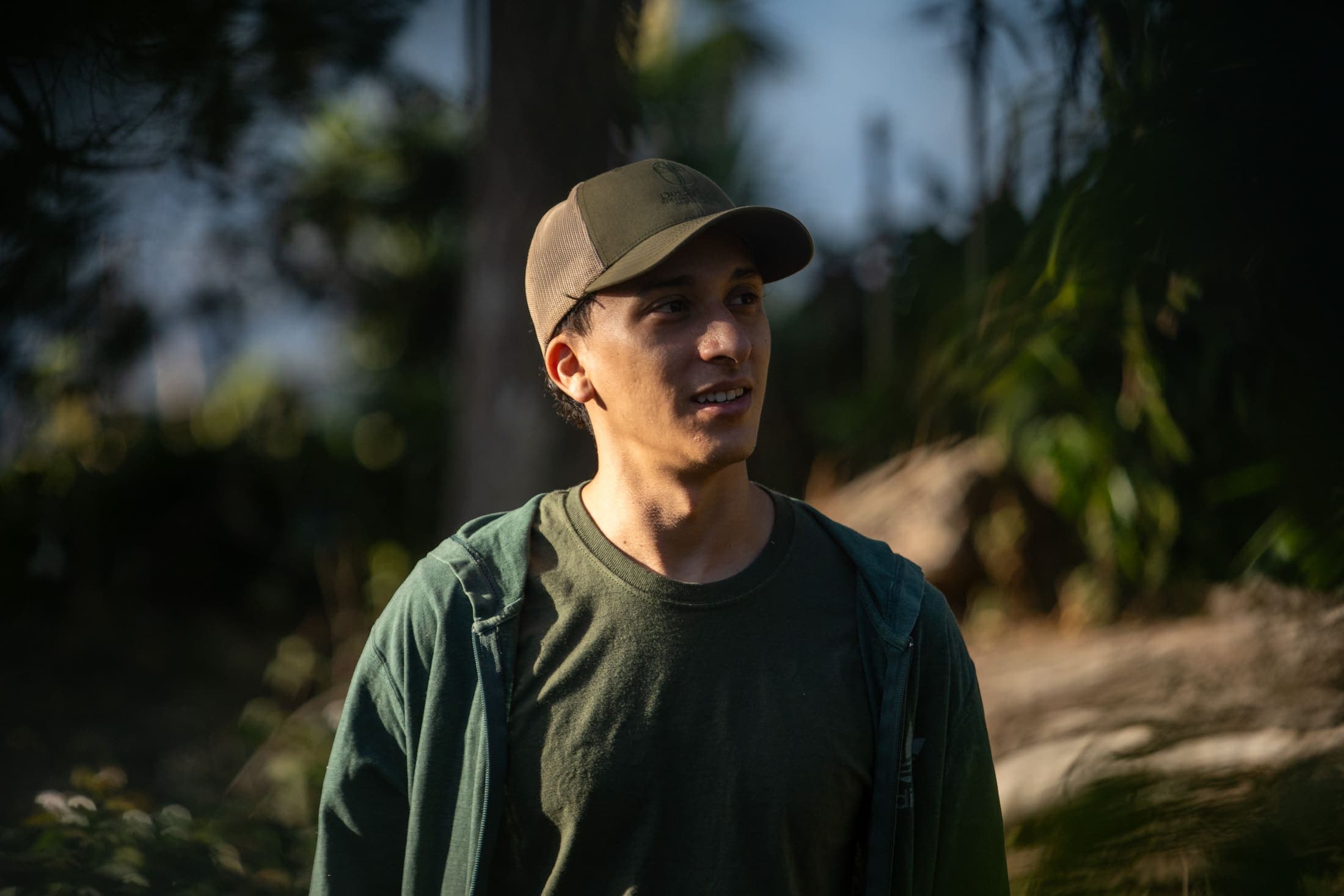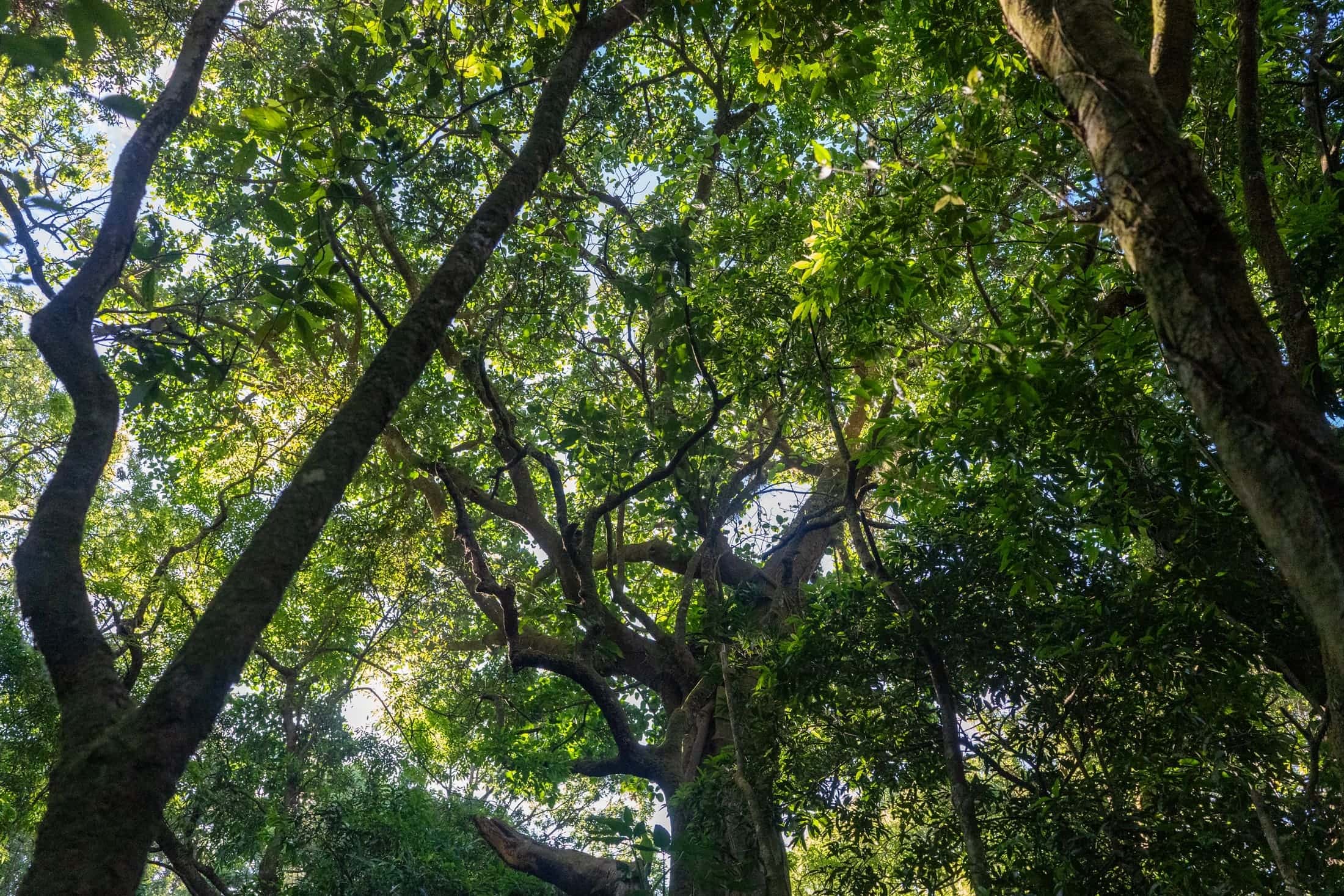
The two centennial oak trees at the Dos Robles farm in Naranjo, Costa Rica
Harvest 2026 · Single Origin

Specialty Coffee,
Directly from Our Farm.

Single origin from Costa Rica, produced with regenerative practices and built for long-term partnerships.

Naranjo, Costa Rica · Western Valley · 1,500 masl · Since 1992

Looking for roasted coffee?

Buy
Harvest 20264 verified lotsSCA 85–870 defects · Samples available

Harvest 2026.
Four lots.
From producer to your cup.

Each lot is a micro-origin with documented process, certified SCA score, and samples available for immediate dispatch.

SHB0 Defects1,500 maslHumidity 10–12%
San Isidro 48 / Pacamara lot — Semi-washed process, Naranjo, Costa Rica
DR-2026-SL
Semi-washedSan Isidro 48 / Pacamara (Blend)
In production since 2018

San Isidro 48 / Pacamara

SCA Score85.25
Specialty
SCA Protocol

Cupping notes

CocoaAlmondsCitrusChocolate
Cupping breakdown
Aroma
7.75
Flavor
7.75
Acidity
7.75
Body
7.75
Balance
7.75
Sweetness
10.00
Clean Cup
10.00
Uniformity
10.00

Clean and balanced profile expressing Naranjo's characteristic acidity with great aromatic clarity. The ultimate high-volume performer for daily service. Consistent profile since 2018 — a reliable espresso base for buyers who need the same cup harvest after harvest.
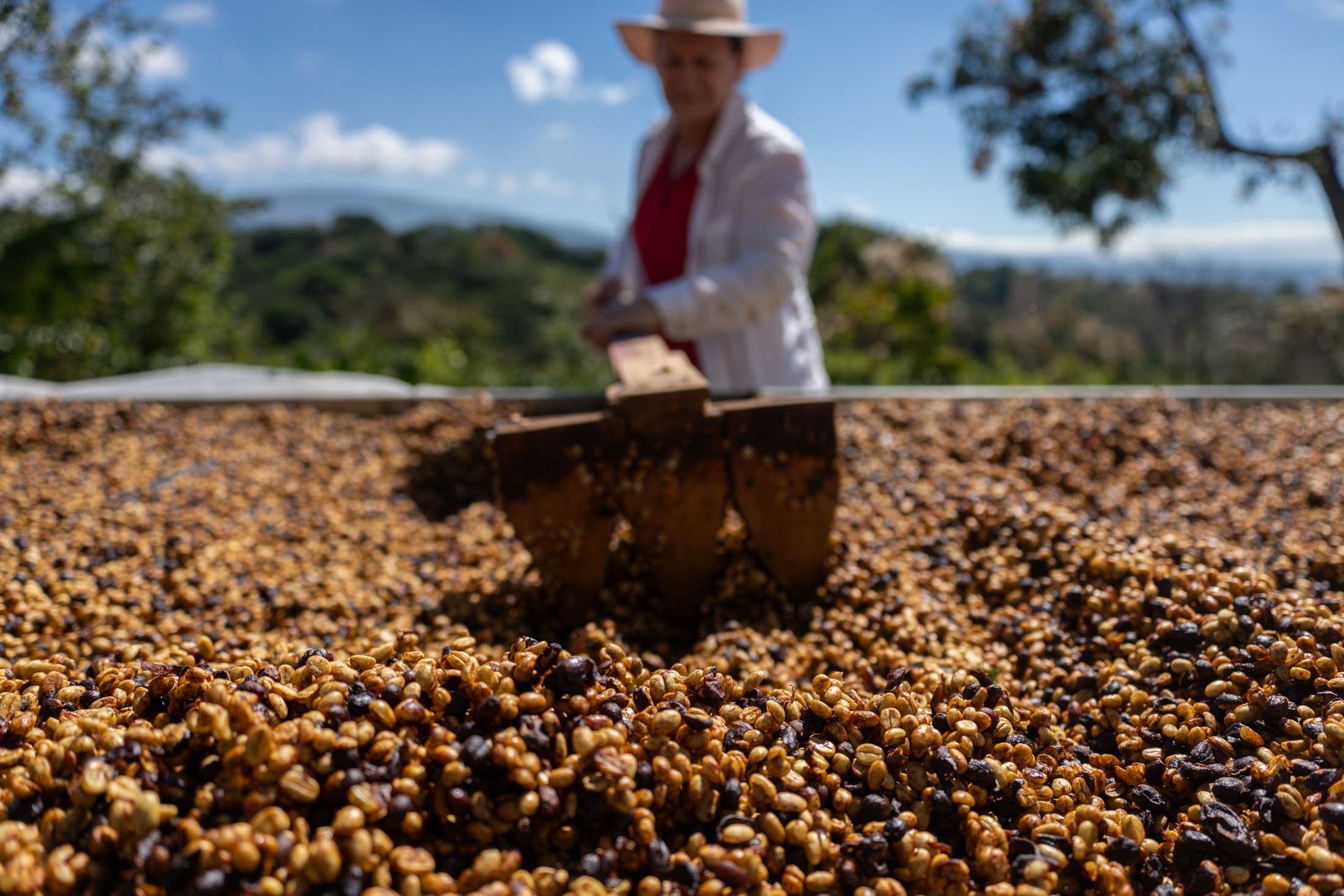
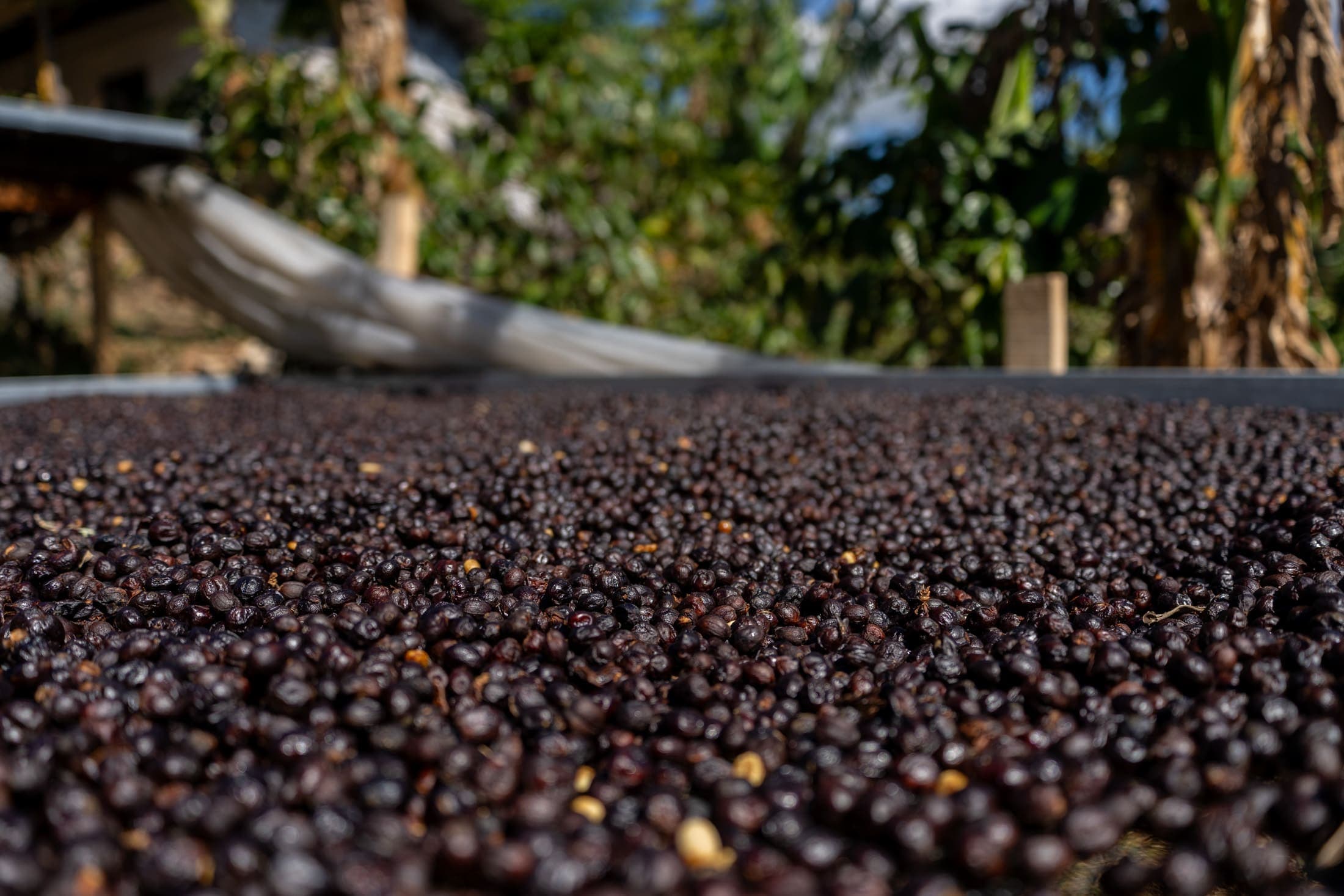
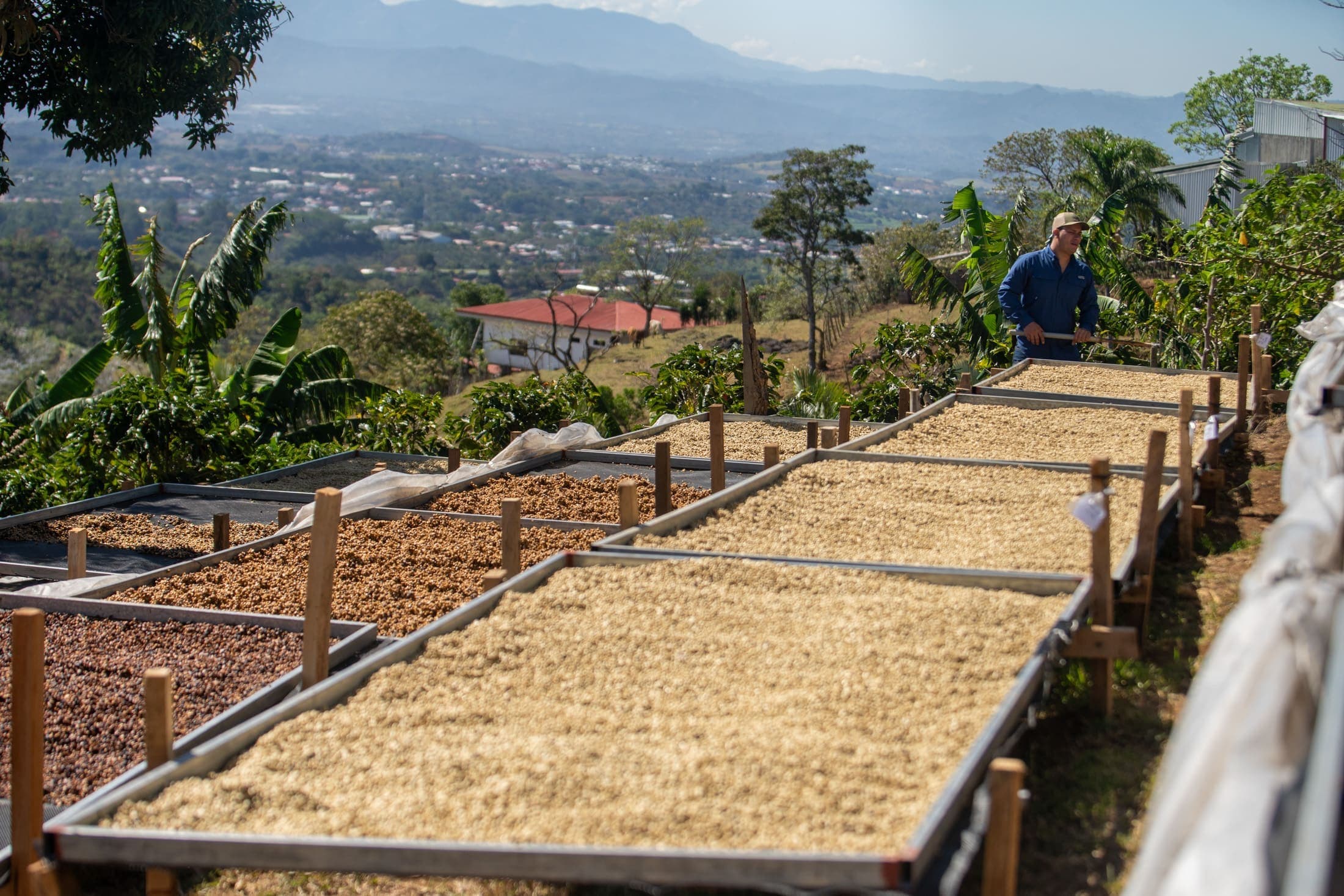
Hybrid H17 lot — Honey process drying on African beds, Naranjo
DR-2026-H17
HoneyHybrid H17 (F1 Hybrid - Catuaí x Ethiopia)
CATIE-developed · First harvest 2026

Hybrid H17

SCA Score86.00
Specialty
SCA Protocol

Cupping notes

CitrusCaramelSugarcane
Cupping breakdown
Aroma
8.00
Flavor
7.75
Acidity
7.75
Body
8.00
Balance
7.75
Sweetness
10.00
Clean Cup
10.00
Uniformity
10.00

Controlled Honey process that enhances a prolonged, silky sweetness. The balanced genetics of this hybrid deliver a highly consistent cup for demanding buyers. Developed by CATIE, it reflects our bet on genetics built for climate change and demanding markets: 2026 is its first commercial harvest, offered from lot one.

★ Star lot
Kenya SL-28 lot — Natural process drying on patio, Naranjo
DR-2026-KN
NaturalKenya SL-28
In production since 2018

Kenya SL-28

SCA Score87.00
Specialty
SCA Protocol

Cupping notes

Red fruitsPlumYogurtStrawberryMalicLactic
Cupping breakdown
Aroma
8.00
Flavor
8.25
Acidity
8.00
Body
8.00
Balance
8.00
Sweetness
10.00
Clean Cup
10.00
Uniformity
10.00

The most distinctive lot in the catalog. A complex, fruity, and winey profile with pronounced malic acidity and lactic notes. Designed for exclusive specialty coffee menus and high-end tasting programs. Since 2018 we have processed this variety with different drying methods; the Natural proved to be the one that best elevates its unique fruity profile, and today it is a lot with a proven track record among international buyers.

Geisha lot — specialty beans, Naranjo, Costa Rica
DR-2026-GS
Natural / HoneyGeisha
3rd consecutive harvest

Geisha

SCA Score85.50Ref. range 85.00 – 86.00
Specialty
SCA Protocol

Cupping notes

FloralLemon blossomHoneyCitrusJuicySilky

Classic expression of the Geisha variety grown in the highlands of Naranjo. Notable for its floral elegance and silky body, highly sought after in premium export markets. Third consecutive harvest at Dos Robles of this exotic, highly sought-after variety.

Cupping Certification — Official Results

SCA Specialty Protocol · Official cupping results issued on March 31, 2026 by certified judge Pablo Araya. 0 defects detected across all evaluated lots.

JudgePablo Araya
DateMar 31, 2026
ProtocolSCA Specialty
Primary defects0 across all lots

Harvest calendar

December – March

JFMAMJJASOND

Visit during harvest

Come cup the new harvest where it grows. We host roasters and green buyers in Naranjo from December through March — farm tour, drying beds, and a cupping table with the season's lots.

Plan your visit

Western Valley

The Western Valley is home to Costa Rica's micromill movement and a recurring source of Cup of Excellence winners. Dos Robles grows at 1,500 masl in the hills of Naranjo, at the heart of that region.

A legacy rooted
since 1992.

Dos Robles is a family legacy backed by decades of scientific knowledge. One clear commitment: every buyer knows exactly what they're putting on their menu, where it comes from, and who made it.

  1. 1992

    The Beginning

    In 1992, Arnoldo Herrera acquired a farm in the highlands of Naranjo, at the heart of Costa Rica's Western Valley — a region that produces some of the country's most complex coffees. From day one, the altitude, microclimate, and soil defined the character of an extraordinary coffee.

  2. 2003

    The Inheritance

    His daughter Rita Herrera Aguilera inherited the farm along with decades of hands-on knowledge about managing land that already produced an exceptional bean. Dos Robles coffee had Premium standards from the plant. The strategic clarity that followed was the decision to recognize that value and take control of everything that happens after harvest.

  3. 2018

    The Strategic Turning Point

    That year marked the inflection point: we assumed full control over processing, traceability, and direct commercialization. A coffee that was always extraordinary in the field began reaching the world with verifiable origin, documented process, and certified cupping scores — finally doing justice to what the land of Naranjo had been producing for decades.

  4. 2022

    Regenerative Learning Path

    We began our transition toward regenerative agriculture through institutional programs at UNED, transforming soil management and shifting our traditional farming practices toward ecological restoration.

  5. 2025

    Field Schools (ECAS-Bioinputs)

    Integration into the international cooperation program under the guidance of the Ministry of Agriculture (MAG), the Tropical Agricultural Research and Higher Education Center (CATIE), and the University of Córdoba. This project established Field Schools in Naranjo, Talamanca, and El Salvador, consolidating our leadership in artisanal bioinputs and community work.

Rita Herrera Aguilera — founder of Dos Robles

Rita Herrera Aguilera

Founder · Educator by vocation

Rita dedicated her professional career to early childhood education. That vocation is not a minor biographical detail: it is the character of someone who understands that what you plant today defines what others will receive tomorrow. She inherited a farm and chose to turn it into a purposeful project.

Early Childhood Education

Family Legacy.
Scientific Backing.

Dos Robles' strength is not just continuity — it's the expertise of the people who run it.

Juan José Salazar Herrera — Operations & Quality Control, Dos Robles

Juan José Salazar Herrera

Operations & Quality Control

Industrial Engineer currently pursuing a Master's in Regenerative and Sustainable Coffee Farming at CATIE and PROMECAFE — the leading institutions in tropical agricultural research in Central America.

The person responsible for on-farm processes and quality doesn't just bring engineering: he's at the forefront of what regenerative coffee farming can achieve. For a buyer who demands consistency across seasons, that combination is a guarantee.

Industrial Eng.MSc. Reg. Coffee Farming — CATIEPROMECAFE

“Each lot has specific parameters before it's approved. Nothing leaves the farm without going through the quality control process we defined internally.”

Juan José Salazar HerreraOperations & Quality Control
Pablo Salazar Herrera — Commercial Strategy & Exports, Dos Robles

Pablo Salazar Herrera

Commercial Strategy & Exports

Trained in Customs Administration and International Trade at the University of Costa Rica. The export lead knows the international trade chain from the inside — tariffs, documentation, compliance, international logistics.

This technical background optimizes the farm's logistics and customs management, ensuring every specialty lot meets rigorous international standards for direct export to roasters, boutique hotels, and global importers.

Customs AdministrationInternational TradeUCR

“The decision to assume full control of traceability was an act of justice for a coffee that was always extraordinary in the field. Today that coffee reaches the world with the name and origin it deserves.”

Pablo Salazar HerreraCommercial Strategy & Exports

Rita founded this chapter. Juan José runs it with scientific rigor. Pablo brings it to the world.

The soil that produces our coffee is part of the product.

Active regenerative farming · Naranjo, Costa Rica

At Dos Robles, sustainability is not a certificate on the wall or a statement of intent. It is a technical decision we make every season.

We are in active transition toward regenerative agriculture — a methodology that seeks to restore soil health as a condition for producing high-quality coffee, year after year, without exhausting the land that sustains us.

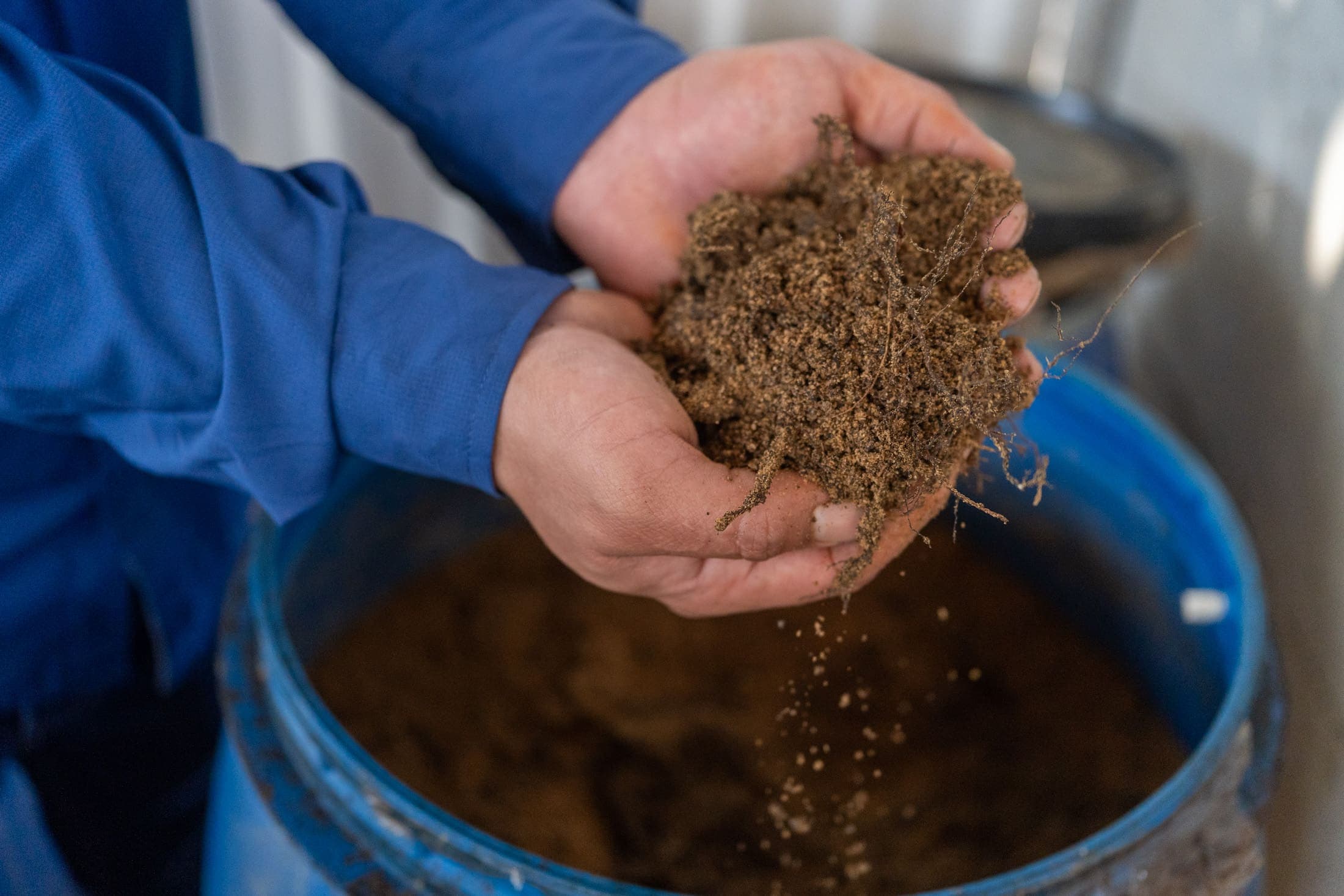
Farm-produced bioinputs — bocashi and compost from Dos Robles, Naranjo, Costa Rica

Artisanal bioinputs

We produce our own bocashi and compost directly on the farm. This allows us to enrich the soil with living microorganisms, reduce dependence on external inputs, and control exactly what nutrients our plants receive. For buyers with demanding traceability standards, this means we can document not only the post-harvest process, but also the agronomic management that preceded it. Protocols validated under the international ECAS-Bioinputs 2025 program (MAG — University of Córdoba — National Agriculture School of El Salvador).

On-farm documented process
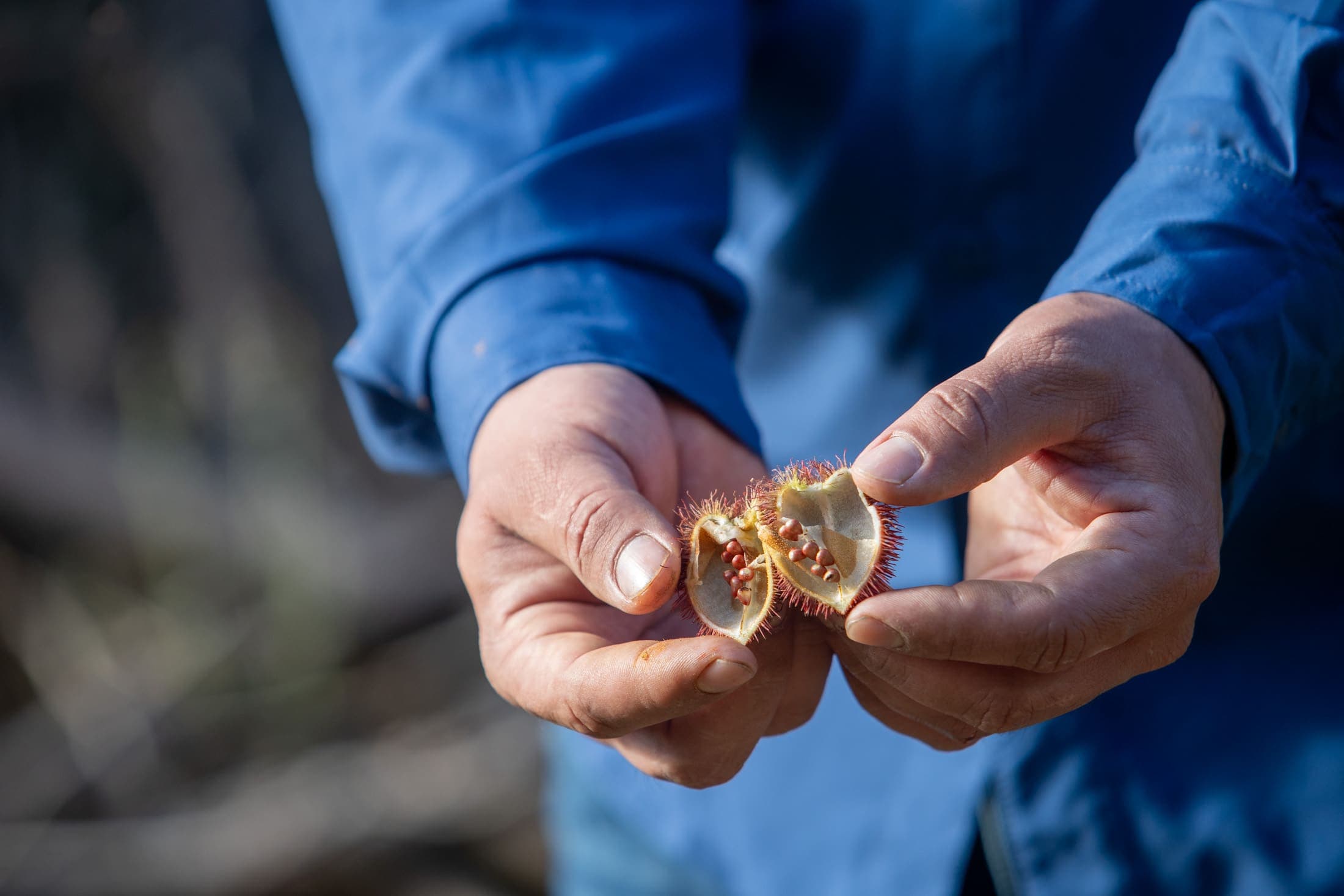
Achiote fruit in hands — biodiversity of the Dos Robles agroforestry system

Diversified agroforestry systems

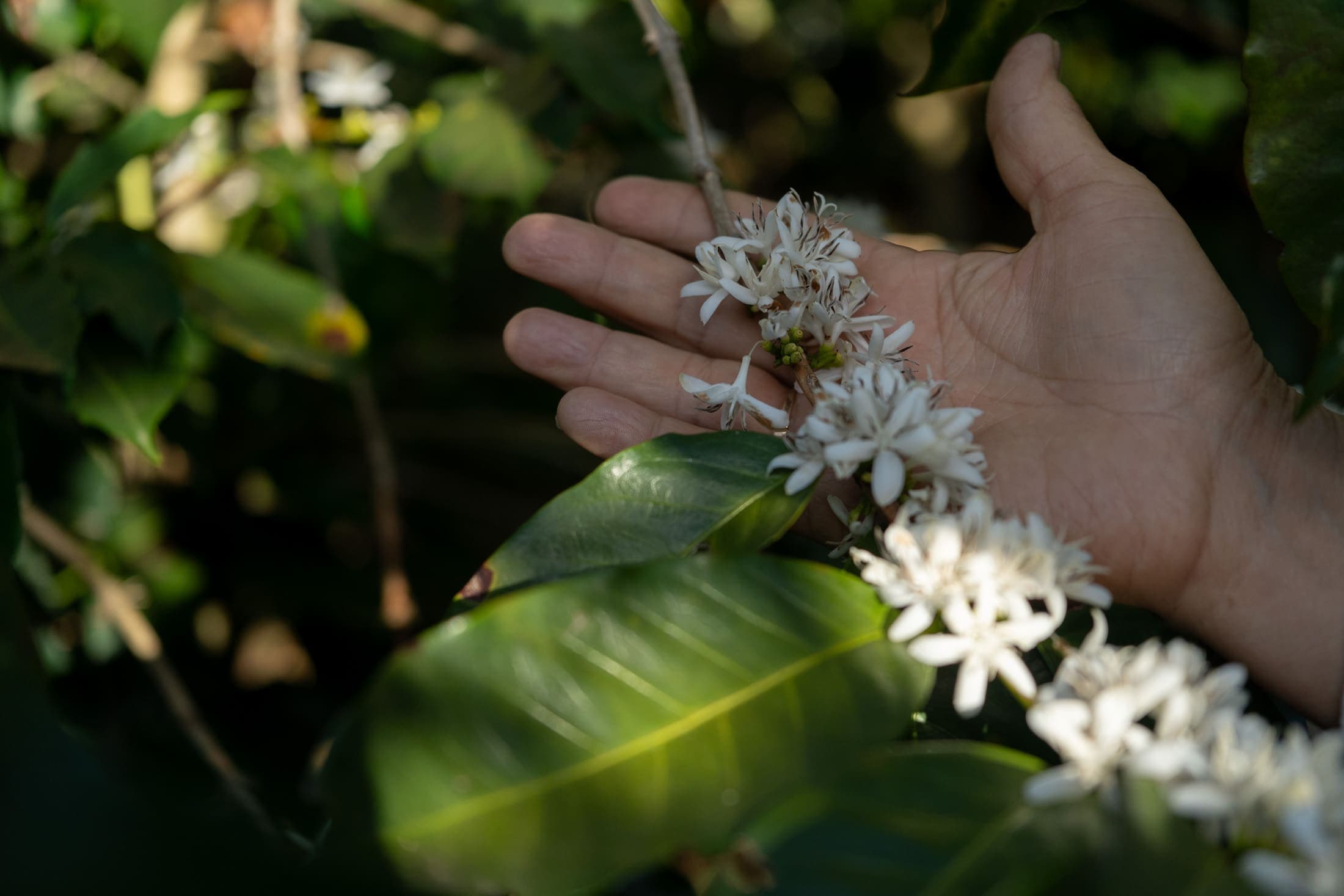
Our coffee plots are not monocultures. We work under a shade system with native and timber species that regulate temperature, increase biodiversity, and protect the soil from erosion. This design also directly influences the cup profile: the slower, more uniform ripening under diversified shade produces an aromatic complexity that sun-grown coffees cannot achieve.

Verifiable on visit or certification
Coffee flowers in hand — ripening under diversified shade, Naranjo, Costa Rica

Documented agrochemical reduction

We are in a process of progressively replacing conventional inputs with our own bioinputs. Each season we advance in that transition without sacrificing quality or yield. For buyers with ESG commitments, responsible sourcing protocols, or end customers who ask about origin, Dos Robles offers something concrete: an evolving, documented, and verifiable process.

Seasonal records available

Technical data for institutional buyers.

Soil Nutrition

Own-produced bocashi and compost · Farm-crafted mineral bioinputs

Yes — on-farm documentation

Agronomic Environment

Shade with native and timber species · Diversified agroforestry systems

Yes — verifiable on visit or certification

Physical Condition

Strictly Hard Bean (SHB) · Base screen 16+ (Screen 14–15+ negotiable by requirement)

Yes — certified per lot

Quality Standard

0 primary defects · Optimal humidity 10–12%

Yes — analysis per harvest

Start a
Commercial Conversation

Sample requests for Harvest 2026, FOB quotes, or integration into import sourcing platforms.

OriginWestern Valley, Naranjo, Costa Rica
AvailabilityImmediate samples · Domestic and international shipping
BackingDirect export from the farm · Full traceability
or contact us directly
WhatsApp +506 8964 2516

Your information will be treated confidentially. Used solely for direct commercial contact with the Dos Robles Specialty Coffee team.

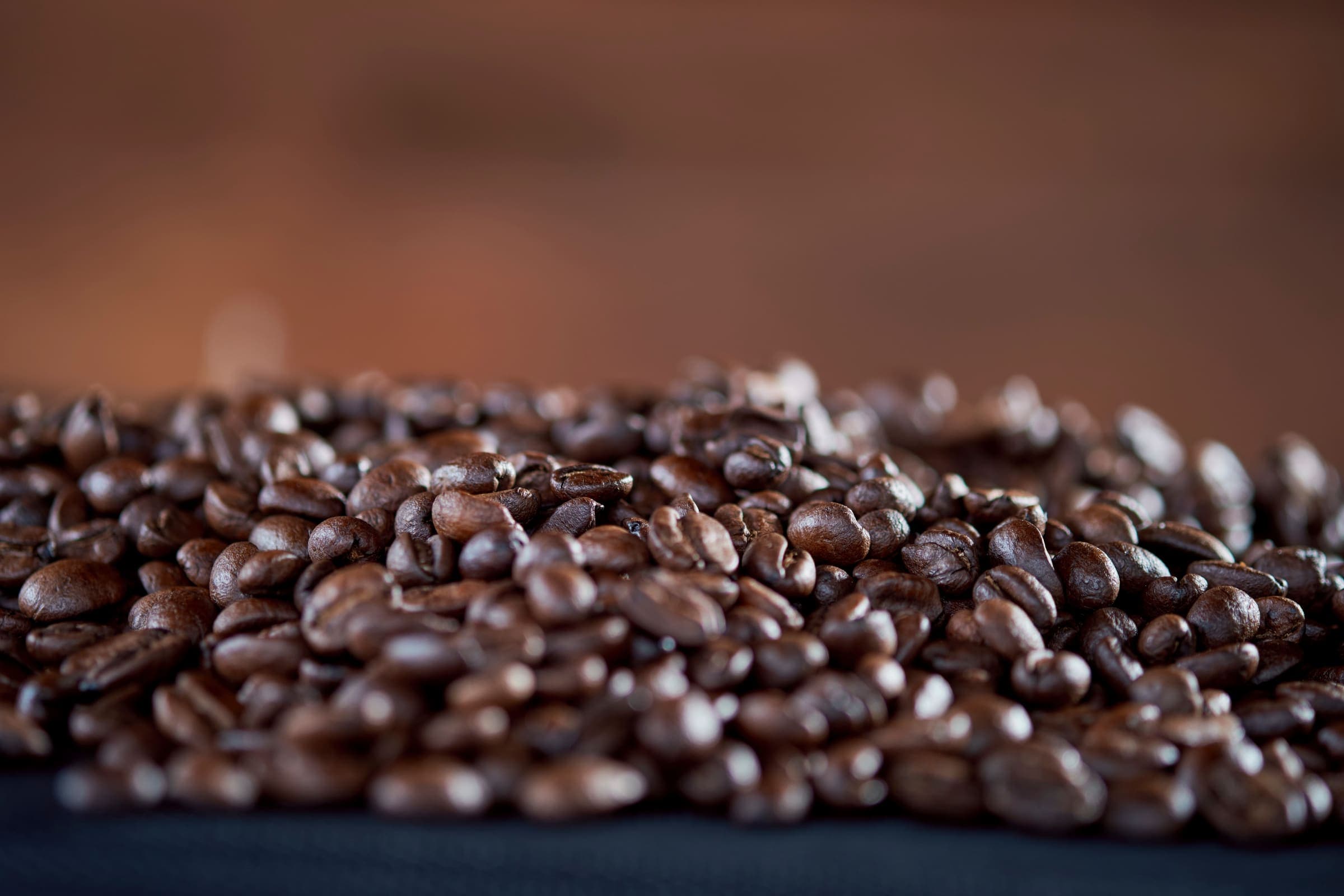
Roasted Dos Robles coffee beans — Western Valley, Naranjo, Costa Rica
Roasted Line · Naranjo

Same origin.
Roasted with purpose.

The same varieties we export as green coffee, now available roasted for direct consumption. Medium or Dark roast · Whole bean or ground.

★ Star lot
Natural · Honey

Kenya SL-28

Fruity and intense, with the complexity that only comes from Naranjo's highlands. Notes of red fruits and bright acidity — the lot for filter menus where origin makes the difference.

Presentation250g
Natural · Honey

Geisha

A well-known variety in the specialty world. Floral, silky, and complex — ideal for tasting menus or filter offerings where the cup deserves its own spotlight.

Presentation250g
Semi-washed

San Isidro 48

The ultimate high-volume performer for daily service. Clean and consistent profile — works as an espresso base or in any brew method.

Available presentations

250gPersonal
340gPersonal
500gFamily
2.5kgCommercial
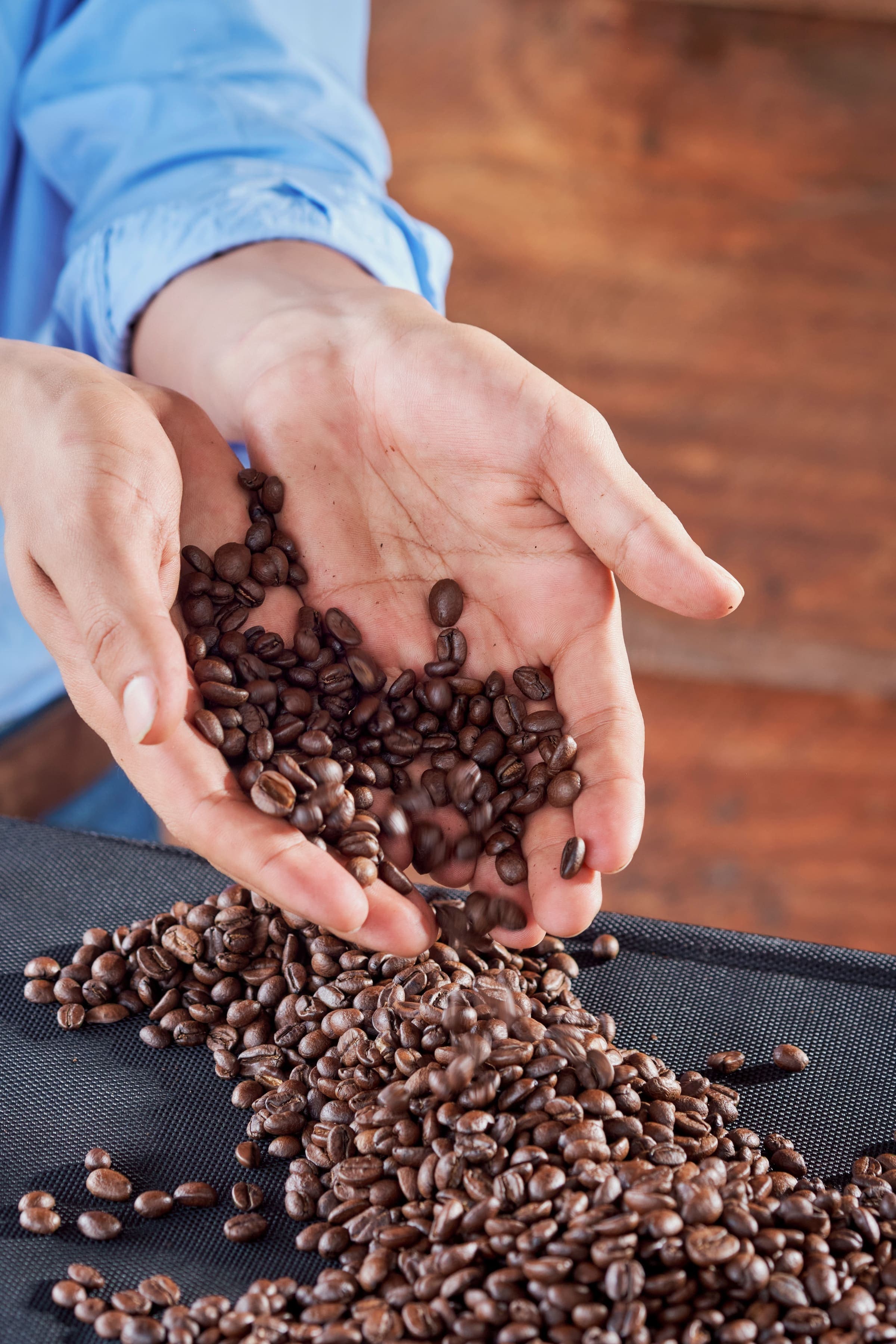
Hands holding roasted Dos Robles coffee beans — origin craftsmanship
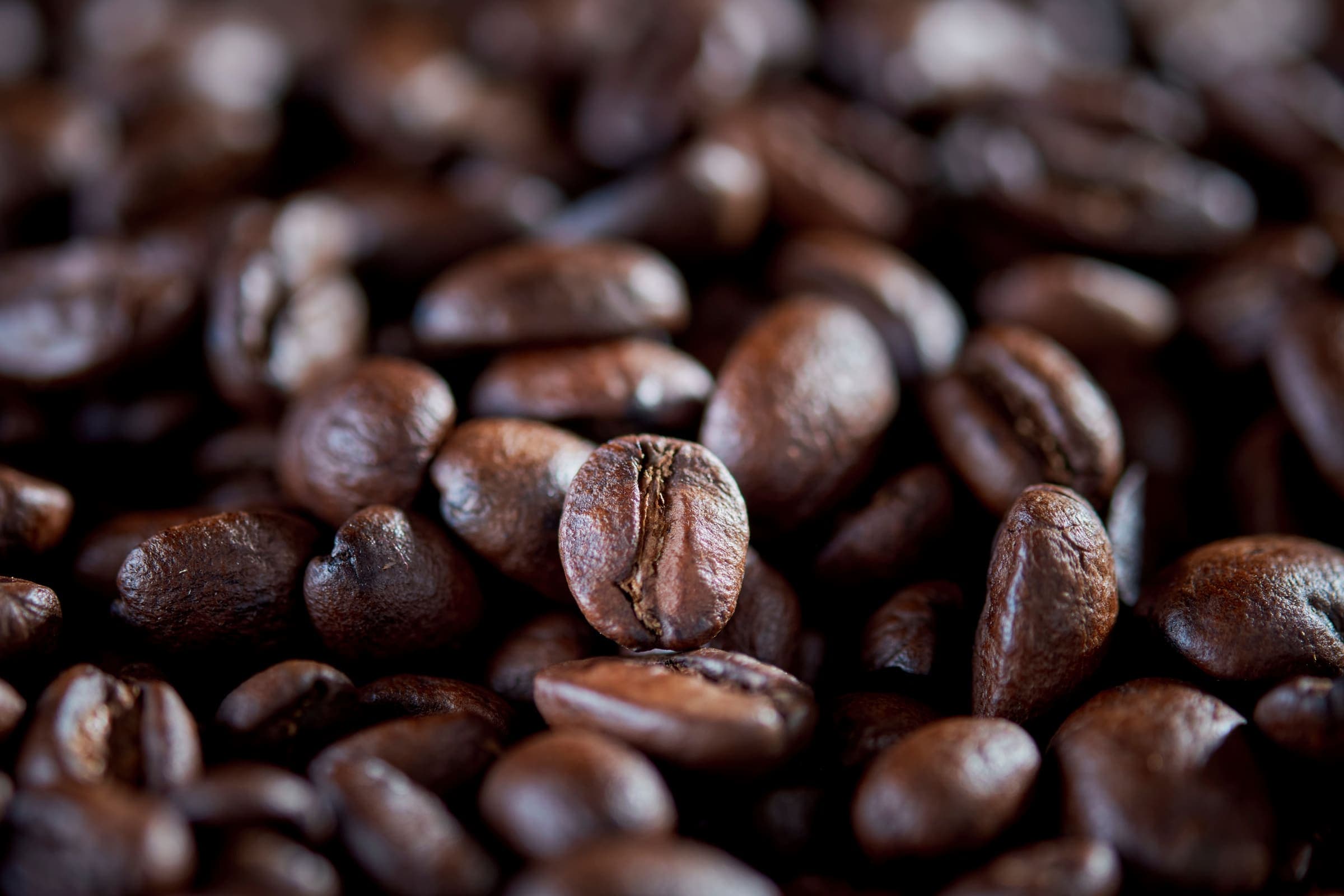
Detail of a roasted Dos Robles coffee bean

Ready to order.

Contact us for current availability, grind options, and pricing by presentation.

Buy